




Introduction: Your POS Is More Than a Cash Register
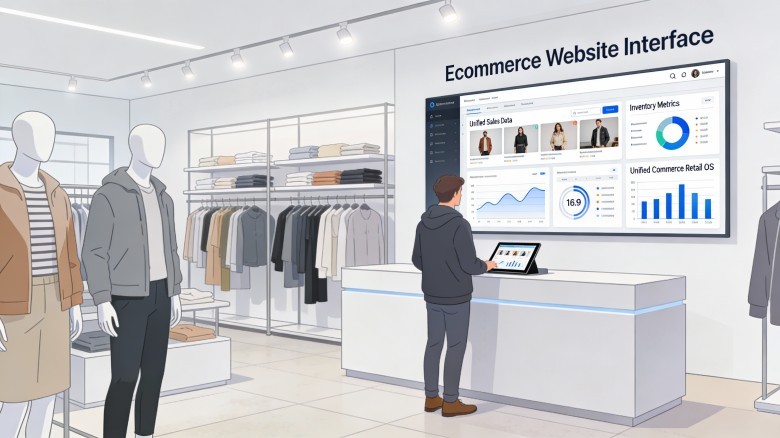
For a modern clothing retailer, the pos system is not just a cash drawer and printer; it is the control center for inventory, customer data, and sales performance. When chosen wisely and connected to a unified commerce retail OS for retailers, it becomes the nerve center of your omnichannel strategy.
What a Fashion‑Friendly POS Must Handle
Apparel has complexities many other sectors do not: sizes, colors, fits, seasonal collections, and frequent returns. Your point of sale should make these easy, not painful.
Look for features like:
-
Matrix inventory: Simple handling of size and color variations.
-
Quick search: Style code, SKU, or keyword search at the till.
-
Flexible returns and exchanges that work even when the original purchase was online.
Without these features, staff will be stuck with workarounds, slowing queues and frustrating customers.
Integration with Ecommerce and ERP
A modern POS for clothing needs more than a receipt printer; it must integrate cleanly with your ecommerce website and erp system.
Key integration checks:
-
Real‑time inventory sync both ways (online and in‑store).
-
Unified customer accounts and loyalty balances.
-
Sales and stock movements flowing automatically into your ERP or accounting tool.
In a unified omnichannel retail operating system, this connection is built‑in rather than bolted on, which reduces errors and maintenance.
Hardware and Store Experience
Think about how you want your store to feel. A minimalist boutique might use tablets and mobile POS, while a busier outlet might prefer traditional counters.
Consider:
-
Mobile POS for styling sessions in the fitting room.
-
Self‑checkout or express counters during sale season.
-
Reliable barcode scanning and tag printing for collections.
The goal is for your point of sale to support your brand’s style while still being fast and dependable.
Reporting and Insights from Your POS
Your POS should tell you more than yesterday’s total revenue. In an omnichannel context, it should also help answer:
-
Which styles sell best in store vs online.
-
Which sizes are constantly out of stock.
-
Which staff are driving higher attachment rates (e.g., adding accessories).
When your pos system is part of a unified commerce retail OS for retailers, you can combine these store insights with ecommerce and ERP data to make smarter buying and marketing decisions.
Real‑Life Example: Solving the Return Headache
A fashion chain using a non‑integrated POS used to dread return season. Online orders could not be easily returned in store, and staff spent time hunting through emails and spreadsheets. After moving to an omnichannel retail OS platform where the POS pulled online order data, returns became simple: staff scan the receipt, the system finds the original ecommerce store order, and inventory updates instantly. Customers get quick service; the brand earns trust.
Conclusion: Choose POS with the Future in Mind
Your clothing store’s point of sale is a long‑term decision, not a quick purchase. Choosing a POS that is native to a unified omnichannel retail operating system means you can expand to ecommerce, extra locations, and advanced reporting without constant re‑platforming. Invest in a pos system that understands fashion, integrates cleanly, and can grow as your brand grows.













Facebook Conversations
Disqus Conversations