




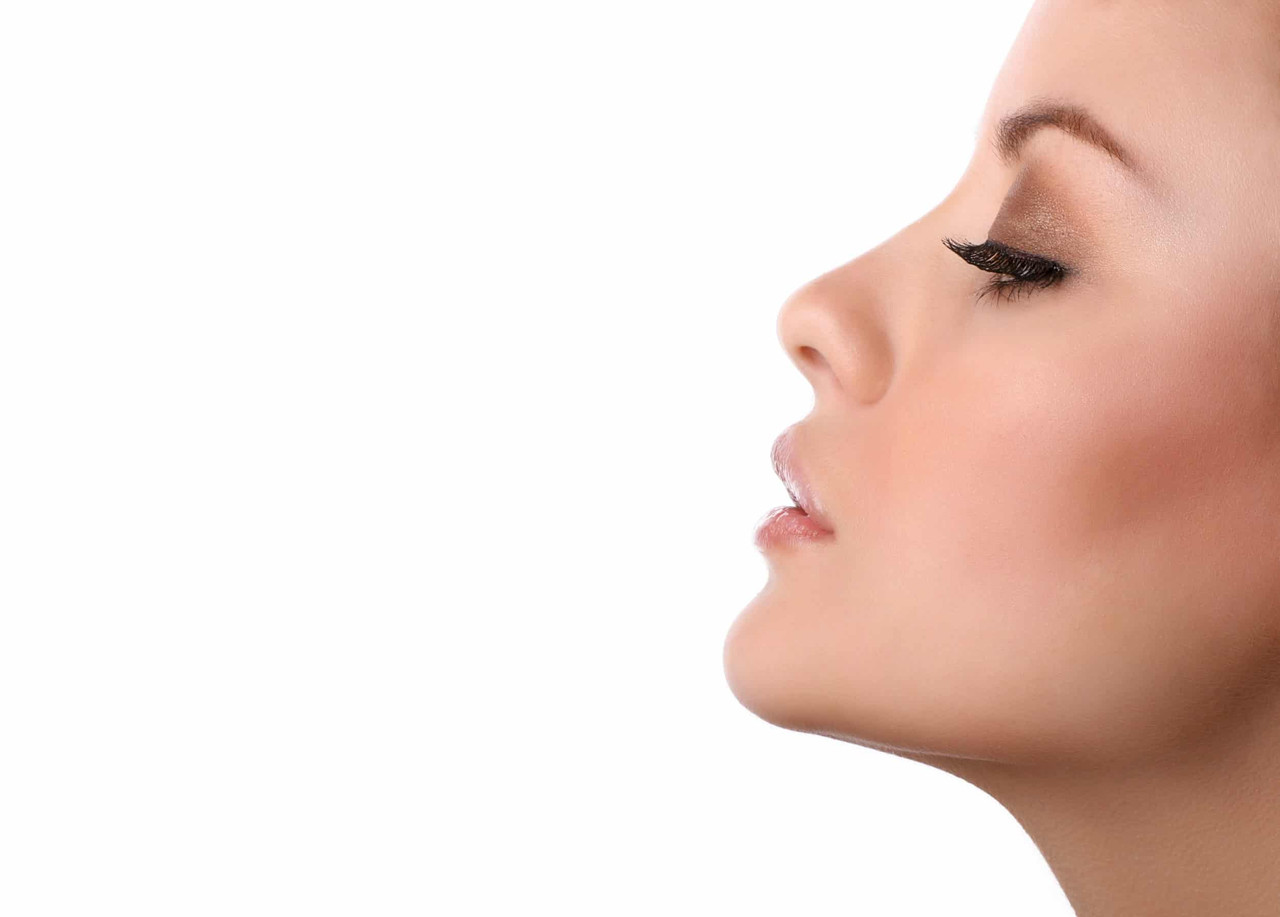
Rhinoplasty has long been one of the most sought-after cosmetic procedures for patients who want to improve the shape, balance, and function of the nose. In recent years, advancements in surgical technology have introduced more refined techniques, including ultrasonic rhinoplasty. For patients considering Ultrasonic rhinoplasty dubai, understanding how this modern method compares with traditional rhinoplasty is an essential part of making the right decision.
Whether the goal is to smooth a nasal hump, refine the nasal bridge, correct asymmetry, or improve breathing, the choice between ultrasonic and traditional rhinoplasty can influence recovery, precision, and overall results. Under the care of an experienced specialist such as Dr. Shahram Sajjadi, patients in Dubai now have access to advanced rhinoplasty solutions tailored to their facial structure and aesthetic goals.
In this blog, we’ll explore the key differences between ultrasonic and traditional rhinoplasty, how each procedure works, who may be a suitable candidate, and what patients in Dubai should know before choosing the right surgical approach.
Understanding Rhinoplasty: A Brief Overview
Rhinoplasty, often referred to as a “nose job,” is a surgical procedure designed to reshape or reconstruct the nose. It can be performed for cosmetic reasons, functional reasons, or a combination of both. Common concerns addressed through rhinoplasty include:
- A prominent dorsal hump
- A wide or drooping nasal tip
- Nasal asymmetry
- Crooked nasal bridge
- Breathing difficulties caused by structural issues
- Previous injury or trauma to the nose
- Revision of an earlier rhinoplasty procedure
Traditional rhinoplasty has been performed successfully for decades and remains an effective option in many cases. However, ultrasonic rhinoplasty has emerged as a modern alternative that allows surgeons to work with greater precision, especially when reshaping the nasal bones.
What Is Traditional Rhinoplasty?
Traditional rhinoplasty is the conventional surgical technique used to alter the structure of the nose. During this procedure, the surgeon typically uses manual instruments such as chisels, rasps, and hammers to reshape the nasal bones and cartilage. Depending on the patient’s needs, the procedure may involve:
- Removing a hump from the bridge of the nose
- Narrowing the nasal bones
- Reshaping the tip cartilage
- Straightening the nasal septum
- Adjusting nostril size or nasal projection
Traditional rhinoplasty can be performed using either an open or closed approach. In open rhinoplasty, a small incision is made across the columella (the strip of tissue between the nostrils), allowing the surgeon to lift the skin and gain full visibility of the nasal framework. In closed rhinoplasty, all incisions are made inside the nostrils, leaving no external scar.
Traditional rhinoplasty remains a highly effective technique, particularly in the hands of a skilled surgeon. However, because it often involves manually breaking and repositioning the nasal bones, patients may experience more swelling and bruising during recovery compared to newer methods.
What Is Ultrasonic Rhinoplasty?
Ultrasonic rhinoplasty is an advanced technique that uses specialized ultrasonic instruments to reshape the nasal bones with a high level of precision. Instead of using manual force to fracture the bones, the surgeon uses ultrasonic energy to sculpt and modify the bone structure more gently and accurately.
This method relies on a device that produces high-frequency vibrations capable of cutting or reshaping bone while minimizing trauma to the surrounding soft tissues, blood vessels, and mucosa. As a result, ultrasonic rhinoplasty is often associated with:
- More precise bone reshaping
- Reduced trauma to surrounding tissues
- Less bruising and swelling after surgery
- A smoother recovery experience for many patients
- Greater control when refining the nasal bridge
For patients interested in Ultrasonic rhinoplasty dubai, this technique can be especially appealing because it offers a more modern and delicate approach to nasal reshaping.
The Main Difference Between Ultrasonic and Traditional Rhinoplasty
The core difference between the two procedures lies in the way the nasal bones are reshaped.
In traditional rhinoplasty, the bones are often modified using manual surgical tools and controlled fractures. In ultrasonic rhinoplasty, the surgeon uses a powered ultrasonic device to sculpt the bone with precision, reducing the need for forceful bone-breaking techniques.
While both procedures aim to improve the shape and function of the nose, the method of execution can affect the surgical experience, recovery process, and in some cases, the accuracy of the final result.
Surgical Technique: Precision and Bone Reshaping
One of the most significant advantages of ultrasonic rhinoplasty is the level of precision it offers during surgery. The ultrasonic device allows the surgeon to target bone structures more selectively, making it easier to smooth bumps, narrow the bridge, or refine contours without causing unnecessary disruption to nearby tissues.
Traditional rhinoplasty, on the other hand, can still produce excellent outcomes, but it typically relies on more manual bone manipulation. This may be perfectly suitable for many cases, especially when performed by a highly experienced rhinoplasty surgeon. However, for delicate bone work, ultrasonic technology can provide an added level of finesse.
For patients who require subtle bridge refinement or have concerns about post-operative bruising, the ultrasonic approach may offer important benefits.
Recovery Differences: Bruising, Swelling, and Healing
Recovery is one of the most common concerns among rhinoplasty patients. While healing varies from person to person, there are some general differences between ultrasonic and traditional rhinoplasty.
Recovery After Traditional Rhinoplasty
Traditional rhinoplasty often involves more tissue disruption around the nasal bones, which can lead to:
- More visible bruising around the eyes
- Moderate swelling in the nose and upper face
- A slightly longer period before early swelling begins to settle
- Greater tenderness in the first week or two
Although these effects are temporary, they can be noticeable during the initial healing phase.
Recovery After Ultrasonic Rhinoplasty
Because ultrasonic rhinoplasty is designed to preserve surrounding soft tissues while reshaping the bone, many patients experience:
- Less bruising under the eyes
- Reduced swelling in the early recovery period
- Less trauma to the nasal tissues
- A smoother and more comfortable initial healing process
It’s important to note that rhinoplasty is still a surgical procedure, and full recovery takes time regardless of the technique used. Even if the early recovery is easier with ultrasonic rhinoplasty, the nose continues to refine and settle over several months.
Is One Technique Better Than the Other?
There is no universal answer to this question because the best technique depends on the patient’s anatomy, goals, and the complexity of the case. Both traditional and ultrasonic rhinoplasty can deliver excellent results when performed by a qualified and experienced surgeon.
Ultrasonic rhinoplasty may be particularly beneficial for patients who need detailed reshaping of the nasal bones and want to minimize swelling and bruising. Traditional rhinoplasty may still be the right choice for certain structural changes, cartilage work, or cases where the surgeon believes a conventional approach is more appropriate.
Rather than asking which procedure is “better” overall, it is more helpful to ask which one is more suitable for your specific nose and desired outcome.
Who Is a Good Candidate for Ultrasonic Rhinoplasty?
Patients considering Ultrasonic rhinoplasty dubai may be good candidates if they:
- Want to reduce or smooth a hump on the bridge of the nose
- Need refinement of the nasal bones
- Prefer a technique associated with less bruising and swelling
- Are looking for precise aesthetic changes to the nose
- Have realistic expectations about surgical results
- Are in generally good health and suitable for surgery
Ultrasonic rhinoplasty is especially useful when the procedure involves reshaping the nasal bones in a controlled and delicate way. However, not every rhinoplasty case depends mainly on bone work. Some noses require significant cartilage reshaping, septal correction, or revision techniques, and that is why a detailed consultation is so important.
Who May Still Benefit from Traditional Rhinoplasty?
Traditional rhinoplasty remains an excellent option for many patients. It may be recommended when:
- The surgery involves extensive cartilage reshaping rather than bone refinement
- The anatomy of the nose is better suited to conventional methods
- The patient is undergoing a complex reconstructive or revision procedure
- The surgeon believes a traditional approach will deliver the safest and most predictable result
An experienced rhinoplasty specialist evaluates the nose as a whole—not just the bridge or tip. In some cases, the ideal surgical plan may even combine elements of modern technology with classic rhinoplasty principles.
Why Surgeon Experience Matters More Than Technique Alone
While the difference between ultrasonic and traditional rhinoplasty is important, the most critical factor in achieving a beautiful and natural-looking result is the surgeon’s expertise. Rhinoplasty is one of the most technically demanding facial surgeries because it affects both appearance and breathing function.
Choosing a surgeon with extensive rhinoplasty experience means you benefit from:
- A detailed understanding of nasal anatomy
- A customized surgical plan based on your facial proportions
- Careful preservation or improvement of nasal function
- Honest guidance about what technique suits your case
- Greater attention to symmetry, harmony, and long-term stability
When considering rhinoplasty in Dubai, patients often seek surgeons who combine artistic judgment with advanced surgical skill. Dr. Shahram Sajjadi is known for providing personalized treatment plans based on each patient’s unique features and goals, helping them understand which rhinoplasty method may be most appropriate.
Consultation: How the Right Procedure Is Chosen
A consultation is the best time to determine whether ultrasonic or traditional rhinoplasty is more suitable. During your appointment, the surgeon will usually assess:
- The thickness of your skin
- The structure of your nasal bones and cartilage
- Any functional issues such as a deviated septum or breathing obstruction
- Your facial balance and profile
- Your medical history and any prior nasal surgery
- Your expectations and desired aesthetic outcome
Photos and digital planning may also be used to discuss realistic improvements. The consultation is not only about choosing a surgical technique—it’s about building a complete plan that respects both facial harmony and nasal function.
What to Expect After Rhinoplasty in Dubai
Whether you choose ultrasonic or traditional rhinoplasty, the general recovery timeline is similar in broad terms.
First Week
A nasal splint is usually worn for support and protection. Mild discomfort, swelling, and congestion are common. If bone work was performed, bruising around the eyes may occur, though this is often milder with ultrasonic rhinoplasty.
Two to Four Weeks
Much of the visible bruising resolves, and patients usually feel comfortable returning to work, social activities, and daily routines. Swelling continues to improve gradually.
Several Months
The nose continues to refine. The bridge and tip become more defined as residual swelling settles.
Up to One Year or More
Final rhinoplasty results may take up to a year, and sometimes longer for tip refinement, especially in patients with thicker skin.
Following post-operative instructions carefully is essential regardless of the technique used. This includes protecting the nose, attending follow-up appointments, and avoiding pressure or trauma during the healing phase.
Choosing Rhinoplasty in Dubai: What Patients Should Consider
Dubai has become a leading destination for cosmetic and reconstructive surgery, offering access to advanced facilities, modern techniques, and experienced specialists. When choosing between ultrasonic and traditional rhinoplasty, patients should consider:
- The surgeon’s specific rhinoplasty experience
- Whether the surgeon offers both techniques and can recommend the most suitable one objectively
- Before-and-after results from previous patients
- The importance of maintaining or improving nasal breathing
- The recovery process and how it fits into your schedule
- Whether your goals are subtle refinement, structural correction, or both
Patients often focus heavily on the name of the procedure, but the real priority should be the quality of planning and execution. A successful rhinoplasty should look balanced, natural, and in harmony with the rest of the face.
Conclusion
When comparing ultrasonic and traditional rhinoplasty, the main difference lies in how the nasal bones are reshaped. Traditional rhinoplasty uses conventional manual instruments, while ultrasonic rhinoplasty uses high-frequency technology to sculpt bone with enhanced precision and less trauma to surrounding tissues. For many patients, Ultrasonic rhinoplasty dubai offers the appeal of reduced bruising, potentially smoother recovery, and more refined bone work. However, traditional rhinoplasty still remains a trusted and effective option for many nasal concerns.
Ultimately, the right choice depends on your anatomy, your aesthetic goals, and the surgeon’s professional assessment. The best rhinoplasty is not simply about choosing the newest technique—it’s about choosing the technique that will deliver the safest, most natural, and most balanced result for your face.
If you are considering rhinoplasty and want expert guidance on whether ultrasonic or traditional surgery is right for you, a consultation with Dr. Shahram Sajjadi can help you understand your options and create a treatment plan tailored to your needs.
FAQs
What is the main advantage of ultrasonic rhinoplasty over traditional rhinoplasty?
The main advantage of ultrasonic rhinoplasty is precision. It allows the surgeon to reshape the nasal bones more gently and accurately while minimizing trauma to surrounding tissues. This may lead to less bruising and swelling during recovery.
Is ultrasonic rhinoplasty less painful than traditional rhinoplasty?
Pain levels vary from patient to patient, but many patients find that ultrasonic rhinoplasty involves a smoother early recovery because the technique causes less trauma to the tissues around the nasal bones. That said, both procedures are manageable with proper post-operative care.
Can ultrasonic rhinoplasty fix breathing problems too?
Yes, ultrasonic rhinoplasty can be combined with functional corrections when appropriate. If a patient has breathing issues caused by structural problems such as a deviated septum, the surgeon may address those issues as part of the overall rhinoplasty plan.
Does ultrasonic rhinoplasty leave scars?
The presence of scars depends more on whether the surgery is performed with an open or closed rhinoplasty approach than on whether it is ultrasonic or traditional. Open rhinoplasty involves a small incision across the columella, while closed rhinoplasty keeps incisions inside the nostrils.
Is ultrasonic rhinoplasty suitable for all nose shapes?
Not necessarily. While ultrasonic rhinoplasty is highly effective for bone reshaping, not every nose requires that type of correction. Some patients need more cartilage-focused work, revision surgery, or structural support techniques that may influence the surgical approach recommended by the surgeon.
How long does it take to recover from rhinoplasty?
Most patients can return to light daily activities within one to two weeks, depending on the extent of surgery. However, swelling continues to improve over several months, and final results can take up to a year to fully settle.
Is traditional rhinoplasty outdated now that ultrasonic rhinoplasty is available?
No, traditional rhinoplasty is not outdated. It remains a highly valuable and effective surgical technique. Ultrasonic rhinoplasty is simply a newer tool that may offer advantages in certain cases, particularly when precise bone reshaping is needed.
How do I know whether I need ultrasonic or traditional rhinoplasty?
The best way to find out is through a consultation with an experienced rhinoplasty surgeon. Your nasal structure, skin thickness, breathing function, and cosmetic goals all play a role in determining the most suitable approach.
Can rhinoplasty results look natural?
Yes, when performed by a skilled surgeon, rhinoplasty results can look very natural. The goal is not to create a nose that looks artificial or disconnected from the face, but one that improves harmony while preserving individual features.
Why choose Dr. Shahram Sajjadi for rhinoplasty in Dubai?
Choosing the right surgeon is one of the most important parts of the rhinoplasty journey. Dr. Shahram Sajjadi is recognized for his individualized approach, detailed consultations, and focus on achieving balanced, natural-looking results tailored to each patient’s facial anatomy and goals.














Facebook Conversations
Disqus Conversations