




When a clinician needs a clean, reliable cervical tissue sample, the instrument in hand matters. Few tools are as closely tied to this task as the Tischler Biopsy Punch. Known for its sharp jaws, controlled bite, and dependable performance, it has become the gold standard for cervical biopsies in gynecological practice.
This matters for more than convenience. A well-designed biopsy punch can improve tissue capture, support diagnostic accuracy, and help reduce unnecessary trauma during the procedure. For gynecologists, colposcopy clinics, ambulatory surgery centers, and procurement teams, choosing the right instrument medical surgical is a clinical and operational decision.
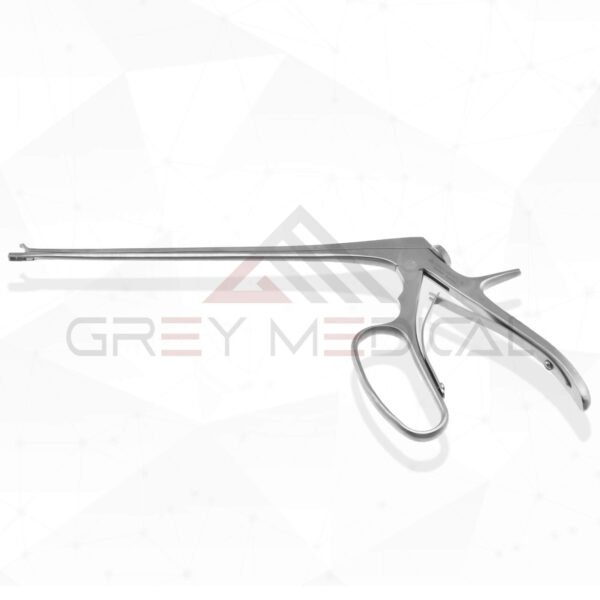
What Is a Tischler Biopsy Punch?
A Tischler Biopsy Punch is a specialized gynecological instrument used to obtain cervical tissue samples, most often during colposcopy-guided biopsy procedures. It is designed to remove small pieces of tissue from suspicious cervical areas so they can be sent for histopathological evaluation.
Its shape and mechanics are built for precision. The punch features opposing jaws that close with a controlled biting action, allowing the clinician to excise tissue with accuracy and consistency. That precision is one reason the Tischler pattern is so widely trusted in women’s health settings.
In many practices, it is the preferred choice for evaluating abnormal cervical findings, including lesions detected after Pap testing, HPV screening, or colposcopic examination.
Why It Is Considered the Gold Standard for Cervical Biopsies
The Tischler Biopsy Punch has earned its reputation through performance in real clinical settings. Cervical biopsy requires more than a sharp tool. It requires repeatable sampling, good tissue integrity, comfortable handling, and enough control to work effectively in a delicate field.
Here’s why many clinicians view it as the benchmark:
Reliable Tissue Capture
A quality Tischler punch is made to secure an adequate sample without crushing the tissue. That helps preserve specimen quality for pathology review, which is critical when diagnosis depends on fine cellular detail.
Precision in a Small Operative Field
The cervix is not a forgiving site for poorly designed instruments. The Tischler pattern allows clinicians to target suspicious areas with greater confidence and obtain samples from precise locations during colposcopic assessment.
Consistent Performance
Consistency matters in busy clinics. When an instrument opens smoothly, aligns correctly, and closes with a clean bite, it supports faster workflows and fewer procedural disruptions.
Familiarity Across Gynecological Practice
The Tischler Biopsy Punch is a standard instrument in many OB-GYN and colposcopy settings. That broad clinical familiarity reduces training friction and supports procedural standardization across providers and facilities.
Key Features of a High-Quality Tischler Biopsy Punch
Not all biopsy punches perform at the same level. Build quality, finish, jaw sharpness, and handle design all affect how the instrument behaves during use. For clinicians and buyers, a close look at the core features can help separate a durable surgical-grade instrument from a lower-quality alternative.
Stainless Steel Construction: Why Material Quality Matters
One of the most important rhinoplasty instruments features of a Tischler Biopsy Punch is its stainless steel construction. In surgical and diagnostic instruments, material choice affects strength, corrosion resistance, cleaning compatibility, and long-term value.
High-grade stainless steel offers several benefits:
- Strong resistance to wear in repeated clinical use
- Good durability through sterilization cycles
- Better protection against corrosion and staining
- Structural strength that helps maintain jaw alignment
- A smooth finish that supports cleaning and reprocessing
For reusable instruments, stainless steel is especially important. A punch that must endure repeated disinfection and autoclaving needs to hold its edge and mechanical integrity over time. Inferior materials may dull faster, loosen at the joint, or show surface damage that affects both appearance and function.
For procurement officers, this translates into lifecycle value. A well-made stainless steel biopsy punch may carry a higher upfront cost, but it often provides better long-term return through durability and reliable performance.
Understanding the “Bite” Size
The “bite” size refers to the amount of tissue the jaws are designed to capture with each closure. In cervical biopsies, bite size plays a direct role in sample adequacy and procedural control.
A Tischler Biopsy Punch is valued because it can obtain a meaningful tissue specimen while still allowing careful targeting. This balance is essential. If the bite is too small, the sample may be insufficient for pathology. If it is too aggressive, it may increase tissue trauma or make precise sampling harder.
Why Bite Size Matters in Practice
A suitable bite size helps clinicians:
- Obtain diagnostic tissue more reliably
- Minimize repeated sampling
- Target abnormal areas with better control
- Reduce crushing or tearing of tissue
- Support efficient specimen handling
In practical terms, the ideal bite is one that gives enough tissue for pathology without compromising precision. This is one reason instrument geometry should never be treated as a minor detail.
Ergonomic Handle Design and Clinical Control
Gynecological procedures often require steady hand positioning, visual focus, and controlled movement in a limited space. That makes ergonomic handle design an important feature, not a cosmetic one.
A well-designed Tischler Biopsy Punch should feel balanced in the hand and allow firm, predictable control through the full range of motion.
Features of an Effective Handle Design
Look for handle designs that support:
- Comfortable grip during repeated procedures
- Smooth opening and closing action
- Reduced hand fatigue
- Better tactile feedback
- Stable control during tissue capture
For clinicians performing multiple biopsies in a session, hand fatigue can affect precision. Ergonomic design helps maintain consistency from one procedure to the next. It also supports safer, more efficient use in settings where time and accuracy are both important.
Technical Specifications to Review Before Purchase
When evaluating a Tischler Biopsy Punch, medical teams and procurement professionals should compare more than price. The following technical specifications can influence performance, maintenance, and service life.
Common Specifications to Review
- Material: Surgical-grade stainless steel
- Instrument type: Reusable biopsy punch
- Application: Cervical biopsy, colposcopy procedures
- Jaw style: Tischler-style opposing punch jaws
- Bite profile: Designed for clean cervical tissue capture
- Handle type: Ergonomic scissor-style or ring handle
- Finish: Satin or polished finish for cleaning and corrosion resistance
- Sterilization compatibility: Autoclave-safe
- Reusable lifespan: Dependent on use volume and maintenance practices
- Alignment quality: Precise jaw closure for clean specimen removal
These details help buyers assess clinical suitability and total ownership cost. They also help clinicians standardize instruments across providers and sites.
The Link Between Instrument Quality, Patient Comfort, and Diagnostic Accuracy
In gynecological care, instrument quality has direct clinical consequences. A cervical biopsy may be brief, but the experience can still be stressful for the patient. The better the instrument performs, the more likely the procedure will be efficient, controlled, and clinically useful.
Better Instruments Can Support Patient Comfort
Patient comfort is shaped by many factors, including clinician communication, procedural technique, and anxiety management. But the instrument itself also plays a role.
A high-quality Tischler Biopsy Punch may help by:
- Enabling a cleaner, faster tissue capture
- Reducing the need for repeated attempts
- Minimizing unnecessary tissue trauma
- Providing smoother mechanical action during the procedure
When an instrument bites cleanly and predictably, the clinician can work with greater confidence. That often leads to a more streamlined experience for the patient.
Diagnostic Accuracy Starts With the Sample
Pathology can only assess the specimen that is collected. If the tissue sample is fragmented, crushed, or too small, diagnostic clarity may suffer. That can lead to repeat procedures, delayed decisions, and added stress for both patient and provider.
A well-made biopsy punch supports diagnostic accuracy by helping clinicians obtain:
- Adequate tissue volume
- Cleaner specimen margins
- Less tissue distortion
- More consistent sample quality
This is especially important in the evaluation of cervical dysplasia and other abnormal findings where histological detail guides care planning.
Why Procurement Teams Should Look Beyond Price
For clinic managers and procurement officers, instrument selection often sits at the intersection of budget, quality, and workflow. It can be tempting to focus on unit cost alone, especially when buying for high-volume settings. But with biopsy instruments, the lowest purchase price does not always mean the best value.
Total Value Includes More Than the Invoice
A better instrument can offer advantages such as:
- Longer usable life
- Lower replacement frequency
- More reliable procedure performance
- Better clinician satisfaction
- Fewer workflow interruptions
- Stronger support for patient care quality
If an instrument loses sharpness quickly or develops alignment issues, any upfront savings can disappear fast. Replacements, complaints, and inconsistent outcomes all add hidden costs.
For procurement teams, a practical approach is to evaluate performance, reprocessing durability, supplier consistency, and clinician preference alongside price.
Best Practices for Maintenance and Reprocessing
Even the best Tischler Biopsy Punch will not perform well if maintenance is neglected. Reusable gynecological instruments need proper cleaning, inspection, and sterilization to protect both function and patient safety.
Maintenance Best Practices
- Clean promptly after use to prevent residue buildup
- Follow validated reprocessing protocols
- Inspect jaws for dullness, chipping, or misalignment
- Check hinges and moving parts for smooth action
- Verify sterilization compatibility per manufacturer guidance
- Remove damaged instruments from circulation early
Routine inspection is especially important. A biopsy punch that looks acceptable at a glance may still have alignment wear that affects tissue capture. Small mechanical issues can quickly become clinical problems.
Choosing a Tischler Biopsy Punch With Confidence
The Tischler Biopsy Punch remains a trusted instrument because it solves a critical clinical need with precision. Its stainless steel construction supports durability. Its bite size supports specimen adequacy. Its ergonomic handle supports control in delicate procedures. Together, these features make it a practical and effective choice for cervical biopsies.
For medical professionals, that means confidence at the point of care. For procurement teams, it means investing in an instrument that supports quality outcomes over time. In gynecological practice, where precision, comfort, and diagnostic reliability all matter, instrument choice is never a small detail.
Final Thought: Quality Endures Through Care
A Tischler Biopsy Punch is only as good as its design, build, and upkeep. Choosing a high-quality instrument is the first step. Maintaining it properly is what protects its value. With careful reprocessing, regular inspection, and a commitment to surgical-grade quality, this essential tool can continue to deliver the clean performance that cervical biopsy procedures demand.














Facebook Conversations
Disqus Conversations