




The Digital Battery Passport is quickly becoming a foundational element in the global transition toward sustainable energy and electrification. As industries increasingly depend on batteries—across electric vehicles (EVs), renewable energy storage systems, and consumer electronics—the demand for transparency, traceability, and regulatory compliance is reaching new heights.
Governments and regulatory authorities worldwide are introducing stricter policies to ensure that batteries are manufactured, used, and recycled responsibly. In this rapidly evolving environment, the Digital Battery Passport (DBP) is more than a compliance requirement—it is a strategic enabler that helps organizations build trust, enhance operational efficiency, and advance sustainability goals.
What is a Digital Battery Passport?
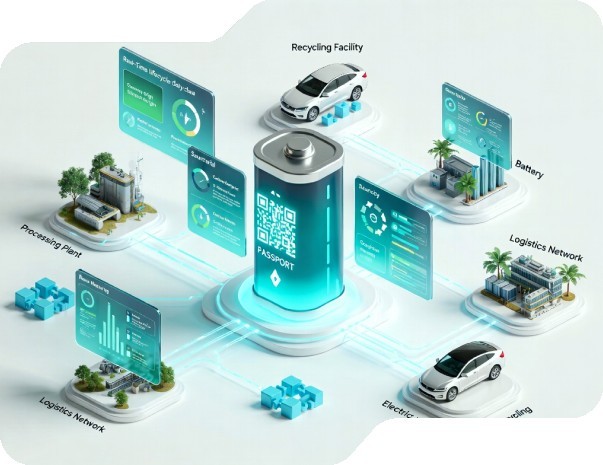
A Digital Battery Passport is a structured digital record that captures detailed information about a battery throughout its entire lifecycle. This includes:
Raw material sourcing (such as lithium, cobalt, and nickel)
Manufacturing and production processes
Carbon footprint and environmental impact
Performance and usage data
End-of-life handling, including recycling and disposal
Each battery is assigned a unique digital identity, often accessible through technologies like QR codes, enabling stakeholders to retrieve accurate, real-time information at any stage.
Why the Digital Battery Passport Matters
Regulatory Compliance
With frameworks like the EU Battery Regulation set to be fully enforced by 2027, businesses must ensure complete traceability of their batteries. Digital Battery Passports simplify compliance, reducing the risk of penalties and operational disruptions.
Supply Chain Transparency
Battery supply chains are complex and globally distributed. A Digital Battery Passport provides end-to-end visibility, allowing organizations to verify ethical sourcing and ensure responsible practices across all tiers.
Driving a Circular Economy
Digital Battery Passports support sustainable lifecycle management by enabling reuse, facilitating second-life applications, and improving recycling efficiency—ultimately reducing environmental impact.
How Digital Battery Passports Work
The ecosystem behind Digital Battery Passports is powered by advanced digital technologies that enable seamless data collection, integration, and secure sharing.
Data Integration
Information is aggregated from multiple sources, including suppliers, manufacturers, and IoT-enabled devices, into a unified system.
Unique Digital Identity
Each battery is linked to a distinct identifier, forming the backbone of its digital passport.
Real-Time Updates
Data is continuously updated throughout the battery’s lifecycle, ensuring accuracy and relevance.
Secure Data Sharing
Technologies such as blockchain enhance data integrity, ensuring that information is tamper-proof and securely accessible to authorized stakeholders.
The Role of Battery Traceability Solutions
At the core of this transformation are Battery Traceability Solutions, which provide the infrastructure required to track batteries at every stage of their lifecycle.
A robust traceability system ensures:
Complete visibility of component origins
Transparency across supply chain activities
Standardized and easily accessible data
These capabilities are essential for achieving Digital Battery Passport compliance, forming the foundation for reliable and scalable data management.
Battery Passport Platform Development: Building Scalable Solutions
As adoption accelerates, organizations are investing in Battery Passport Platform Development to create scalable, future-ready systems.
Modern platforms typically offer:
Cloud-based architecture for scalability and flexibility
Integration with enterprise systems such as ERP, MES, and IoT
Advanced analytics for performance monitoring and optimization
Intuitive user interfaces for efficient data access
These platforms simplify compliance while unlocking new opportunities for innovation and operational efficiency.
Key Benefits for Businesses
Enhanced Compliance
Streamlined adherence to regulatory requirements reduces legal risks and ensures uninterrupted market access.
Improved Transparency
End-to-end visibility strengthens trust among customers, regulators, and partners.
Sustainability Leadership
Tracking environmental impact supports alignment with global sustainability goals and ESG commitments.
Data-Driven Decision Making
Real-time insights enable performance optimization, cost reduction, and smarter strategic planning.
New Revenue Opportunities
Digital Battery Passports create avenues for:
Second-life battery applications
Recycling partnerships
Sustainable product innovation
Industry Applications
Electric Vehicles (EVs)
Manufacturers use Digital Battery Passports to monitor battery health, ensure compliance, and enable resale or reuse.
Renewable Energy Storage
Energy providers leverage passports to optimize lifecycle management and performance.
Consumer Electronics
From smartphones to laptops, Digital Battery Passports improve recycling rates and reduce electronic waste.
Challenges in Implementation
Despite their advantages, implementing Digital Battery Passport systems presents several challenges:
Data Fragmentation: Information is often distributed across multiple systems and stakeholders
Lack of Standardization:














Facebook Conversations
Disqus Conversations