




What is Conservative Management in Orthopaedics ?
Conservative management consists of non-surgical treatment methods that healthcare providers use to treat musculoskeletal disorders. The treatment methods include:
-
Structured physiotherapy and rehabilitation
-
Pain management techniques
-
Activity modification
-
Lifestyle correction
-
Injection therapies when required
-
Digital posture and movement analysis
Dr. Amith Shetty states that most knee, hip, and spine joint disorders do not need surgical treatment at this time. The majority of patients can achieve substantial symptom relief and functional recovery through complete assessment and organized treatment procedures without needing surgical intervention.

2. Preserves Natural Joint Function
Conservative management works effectively for:
-
Ligament strains and minor tears
-
Postural imbalance
-
Muscle and tendon injuries
Dr. Amith Shetty states that joint and spine issues which occur during their initial time frame show excellent results from conservative treatments which prevent disease development and future disability.
-
Diagnosis before treatment
-
Rehabilitation before surgery
-
Surgery only when conservative care fails
The approach establishes honest ethical patient-centered care which protects patients from unnecessary treatments while supporting their functional recovery process.
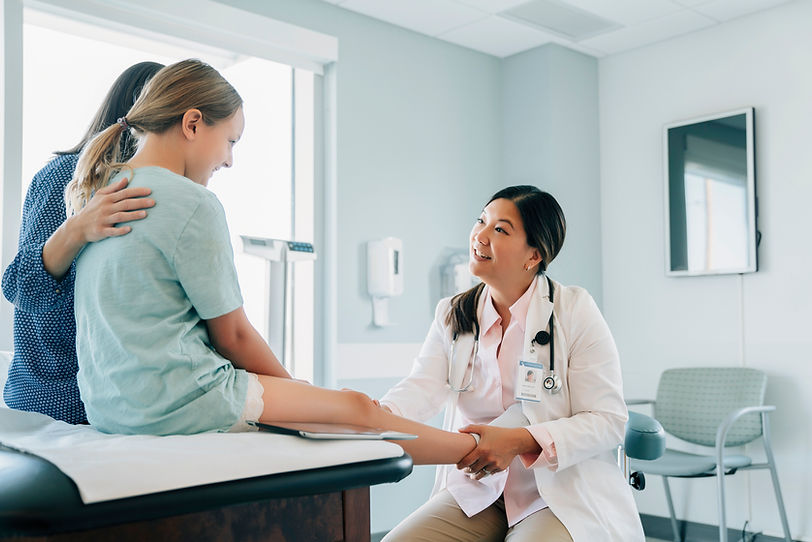
-
Digital physiotherapy programs
-
Digital X-rays for precise diagnosis
-
Structured home rehabilitation protocols
The implementation of these tools enables organizations to utilize data for decision-making which results in better recovery results and improved patient contentment.
When is Surgery Recommended ?
-
The pain stops them from performing their regular tasks
-
Their body shows major structural deterioration
-
They have already used conservative treatment methods but those methods did not work
-
Their ability to function has experienced serious decline
Dr Amith Shetty maintains his surgical practice through defined clinical boundaries which prevent him from using surgical methods except when all other options have been exhausted.
-
Reduced treatment cost
-
Faster recovery
-
Lower complication risk
-
Long-term joint preservation
-
Improved quality of life
The holistic approach based on conservative-first principles has supported thousands of patients to achieve pain-free movement and regain functional independence.














Facebook Conversations
Disqus Conversations