


Losing a significant amount of weight is a major achievement, whether it happens through diet and exercise, medical support, or bariatric surgery. It often improves overall health, mobility, confidence, and quality of life. However, for many people, the journey does not end when the number on the scale drops. One of the most common concerns after major weight loss is loose, hanging skin around the abdomen. Even with a healthy lifestyle and regular exercise, stretched skin and weakened abdominal tissues do not always shrink back on their own. This is where Abdominoplasty Dubai may become an option worth considering.
Abdominoplasty, often called a tummy tuck, is a body contouring procedure designed to remove excess skin, tighten the abdominal area, and create a smoother, firmer midsection. For patients who have worked hard to lose weight but still feel held back by loose skin, it can be a transformative next step. However, it is not the right solution for everyone, and understanding what the procedure can and cannot do is essential before making a decision.
If you are researching the Best abdominoplasty Dubai options, it is important to know that post-weight-loss body contouring requires careful planning and a personalised approach. Every patient has a different amount of skin laxity, different body goals, and a different medical history. The quality of your result depends not only on the surgery itself, but also on whether you are a suitable candidate, whether your weight is stable, and whether your expectations are realistic.
For patients exploring treatment with Dr. Shahram Sajjadi, understanding the purpose of abdominoplasty after weight loss can help you decide if it is the right next step in your body contouring journey. This guide explains why loose skin happens, what abdominoplasty involves, who makes a good candidate, and what to consider before moving forward.
Why Loose Skin Happens After Weight Loss
Skin is elastic, but it has limits. When the body gains weight, the skin stretches to accommodate increased fat volume. If the weight gain is significant or lasts for a long time, the skin’s ability to contract can become compromised. After substantial weight loss, especially if it happens quickly or after pregnancy or bariatric surgery, the skin may not fully retract.
Several factors influence how much loose skin develops, including:
- The amount of weight lost
- How long the skin was stretched
- Age and natural skin elasticity
- Genetics
- Smoking history
- Sun damage
- Muscle separation or weakness in the abdominal wall
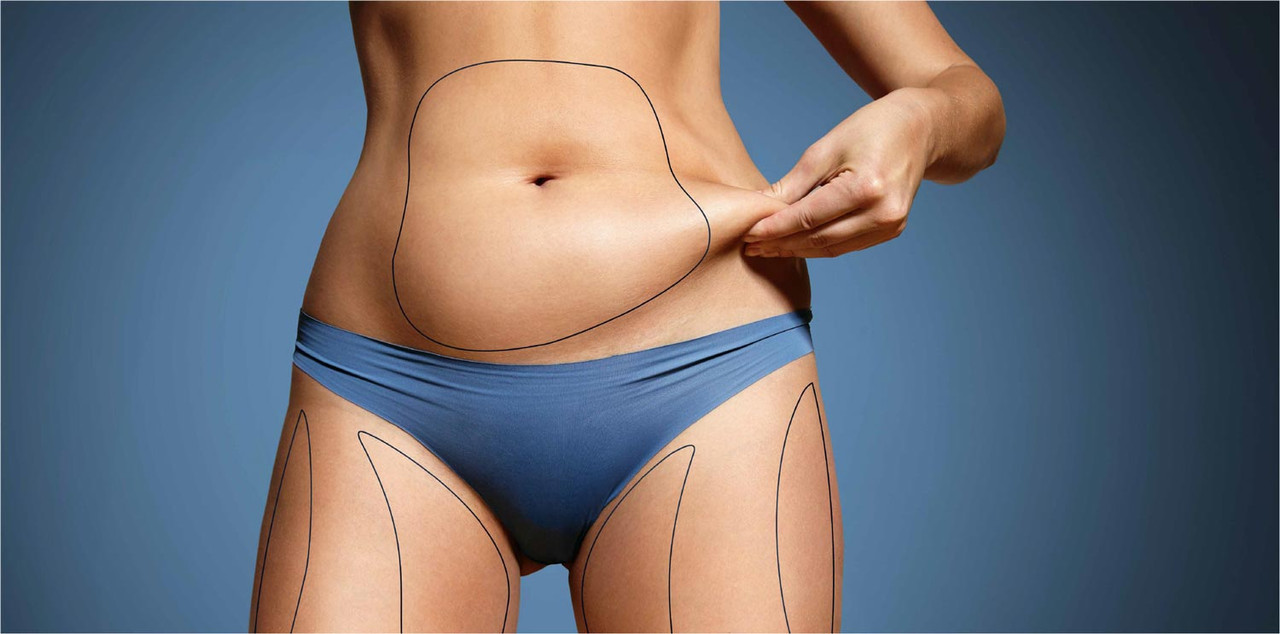
For some people, the loose skin is mild and mainly cosmetic. For others, it can cause practical problems such as discomfort, irritation, chafing, hygiene difficulties, and frustration when clothing does not fit well despite a healthy weight.
What Is Abdominoplasty?
Abdominoplasty is a surgical procedure that reshapes the abdominal area by removing excess skin and fat while tightening the underlying tissues if needed. It is not a weight-loss surgery. Instead, it is a contouring procedure designed for people who are close to their target weight but are left with loose skin, weakened muscles, or a protruding lower abdomen.
Depending on the patient’s anatomy and goals, abdominoplasty may involve:
- Removing loose skin from the lower and central abdomen
- Tightening separated or weakened abdominal muscles
- Improving the contour of the waistline
- Repositioning the belly button if necessary
- Combining with liposuction for additional shaping in selected cases
For post-weight-loss patients, the main aim is usually to address hanging skin and improve abdominal contour rather than reduce body weight.
Why Abdominoplasty Is Popular After Weight Loss
Many patients find that after reaching a healthier weight, loose abdominal skin becomes the final obstacle between them and the body shape they hoped to achieve. They may look and feel healthier overall, but still avoid fitted clothes, swimwear, or certain activities because of excess skin around the stomach.
Abdominoplasty Dubai is popular after weight loss because it can help address concerns that exercise alone cannot fix. Once skin has been significantly stretched and its elasticity has been lost, no amount of core work can physically remove the excess tissue. Surgery may be the only effective way to improve that particular issue.
Common reasons post-weight-loss patients consider abdominoplasty include:
- Loose skin hanging over the lower abdomen
- A “pouch” that remains despite healthy eating and exercise
- Skin irritation or rashes beneath skin folds
- Difficulty fitting comfortably into clothing
- Reduced confidence after an otherwise successful weight-loss journey
- Abdominal wall weakness or muscle separation
For many, the goal is not perfection. It is to feel that their body now reflects the hard work they have already put in.
Is Abdominoplasty the Right Option for Loose Skin?
Abdominoplasty can be an excellent option for the right patient, but suitability depends on more than just having loose skin. The best candidates are those who are generally healthy, have realistic expectations, and have reached a stable weight they can maintain.
You may be a good candidate if:
- You have loose or hanging skin around the abdomen after weight loss
- Your weight has been stable for several months
- You are close to your long-term goal weight
- You do not plan major future weight changes
- You are not currently pregnant and do not plan pregnancy soon
- You are bothered by the shape or heaviness of your abdomen
- You understand that surgery will leave a scar, even though it is placed as discreetly as possible
Abdominoplasty may not be the right option if you are still actively losing a large amount of weight, have uncontrolled medical conditions, or expect the surgery to function as a substitute for diet and exercise.
The Importance of Weight Stability Before Surgery
One of the most important factors in post-weight-loss abdominoplasty is timing. If your weight is still fluctuating significantly, it may be better to wait. The best results are usually achieved when you have maintained a stable weight for a sustained period.
Why does this matter? Because if you lose a lot more weight after surgery, you may develop new looseness in the skin. On the other hand, if you gain a substantial amount of weight after surgery, it can affect the contour result and put additional strain on the repaired tissues.
In general, surgeons often prefer patients to be near their realistic maintenance weight before proceeding. This allows the contouring result to be more predictable and longer lasting.
What Abdominoplasty Can Improve After Weight Loss
A tummy tuck can address several common post-weight-loss abdominal concerns at the same time.
Excess lower abdominal skin
This is one of the most common reasons patients seek surgery. Skin that folds, hangs, or bunches in clothing can often be removed during abdominoplasty.
A stretched or protruding abdominal contour
Sometimes the issue is not just skin but also laxity in the underlying abdominal wall. Tightening the tissues can create a flatter, firmer shape.
Muscle separation
Some patients, especially women after pregnancy but also people after major weight changes, may have abdominal muscle separation that contributes to bulging. If appropriate, this can be repaired during surgery.
Skin-related irritation
When excess skin rubs or traps moisture, it can lead to discomfort, redness, and hygiene challenges. Removing the overhanging tissue may help reduce these issues.
Body confidence and clothing fit
While cosmetic surgery should not be seen as a cure for self-esteem issues, many patients report that removing loose skin helps them feel more comfortable in their clothes and more aligned with their weight-loss achievements.
What Abdominoplasty Cannot Do
A balanced decision requires understanding the limitations of surgery as well as its benefits.
Abdominoplasty does not:
- Replace healthy eating or regular exercise
- Guarantee weight loss
- Prevent future weight gain
- Remove all fat from the abdomen
- Create a perfect body
- Avoid scarring altogether
It also cannot fix loose skin in other areas such as the arms, thighs, chest, or back unless those areas are treated separately. Post-weight-loss body contouring is often highly individual, and some patients may eventually consider more than one procedure depending on their concerns.
Types of Abdominoplasty for Post-Weight-Loss Patients
Not every tummy tuck is the same. The right approach depends on how much excess skin is present, where it sits, and whether muscle tightening is needed.
Mini abdominoplasty
This is more limited and usually focuses on the area below the belly button. It may be suitable for patients with mild lower abdominal laxity, but it is often not enough for those who have experienced major weight loss.
Full abdominoplasty
This is the most common option for moderate to significant loose skin in the abdomen. It typically addresses skin excess above and below the belly button and may include muscle tightening.
Extended abdominoplasty
Patients with more extensive skin laxity, especially after major weight loss, may benefit from an extended approach that continues further around the flanks to improve side contour as well.
A proper consultation is essential to determine which option is most appropriate for your body shape and goals.
What to Expect During the Consultation
If you are researching the Best abdominoplasty Dubai options, the consultation is one of the most important parts of the process. This is where your surgeon will assess your skin quality, abdominal shape, medical history, weight stability, and expectations.
During your consultation, you may discuss:
- How much weight you have lost and how long you have maintained it
- Whether you have had pregnancies or previous abdominal surgery
- Where your loose skin is located and how severe it is
- Whether you have muscle separation or abdominal wall weakness
- What type of scar you should expect
- Whether liposuction may be used alongside abdominoplasty
- How long recovery will take and what limitations to expect
If you are considering treatment with Dr. Shahram Sajjadi, this is also the time to ask about your suitability, your expected result, and whether your concerns are best addressed with a full tummy tuck, an extended procedure, or a different body contouring approach.
Recovery After Abdominoplasty
Recovery is an important part of deciding whether surgery is right for you. Although abdominoplasty can deliver significant contour improvements, it is still a major procedure and requires downtime.
In the early recovery period, it is normal to experience:
- Swelling and tightness in the abdomen
- Temporary discomfort when standing fully upright
- Bruising and fatigue
- Restricted movement for the first days
- A need to avoid lifting and strenuous activity
Most patients need help at home initially and should plan time away from work, especially if their job is physically demanding. Full recovery takes time, and the abdomen may continue settling for several weeks or months.
The benefit of preparing properly for recovery is that it allows you to focus on healing rather than struggling with avoidable stress. Arranging support, taking enough time off, and following postoperative instructions carefully all contribute to a smoother experience.
How to Decide if It Is the Right Step for You
A good way to think about post-weight-loss abdominoplasty is to ask whether the issue you are trying to fix is one that surgery is actually designed to address. If your main concern is stubborn loose skin, skin overhang, abdominal wall laxity, or discomfort caused by extra tissue, abdominoplasty may be highly relevant. If your goal is mainly further weight loss, surgery is probably not the first answer.
It also helps to think about timing. Are you at a point where your weight is stable, your lifestyle is sustainable, and you are ready for a recovery period? Have you accepted that a scar is part of the trade-off for removing loose skin? Are you seeking a realistic improvement rather than an impossible ideal?
When the answer to those questions is yes, abdominoplasty can be a very worthwhile next stage after major weight loss.
Choosing the Right Surgeon Matters
Because post-weight-loss body contouring can be more complex than standard cosmetic abdominal surgery, choosing the right surgeon matters. Loose skin patterns, scar placement, tissue quality, and the possibility of combining skin removal with contouring all require experience and careful planning.
Patients looking for the Best abdominoplasty Dubai care should look for a surgeon who takes time to understand their weight-loss history, current goals, and expectations for recovery and scarring. The consultation should feel thorough and honest, not sales-driven. A well-planned operation is not only about what tissue can be removed, but also about what will create the most balanced and safe long-term result.
For patients exploring options with Dr. Shahram Sajjadi, this stage is where a personalised assessment can determine whether abdominoplasty is the right fit for your body after weight loss.
Conclusion
Loose abdominal skin after weight loss can be frustrating, especially when you have already put in so much effort to transform your health and shape. In many cases, diet and exercise can improve muscle tone and overall fitness, but they cannot remove skin that has lost its elasticity. That is why Abdominoplasty Dubai can be such a valuable option for suitable post-weight-loss patients.
The right candidate is usually someone who has reached a stable weight, is in good general health, understands the recovery process, and wants to address loose skin rather than use surgery as a substitute for weight management. For those patients, abdominoplasty can improve comfort, contour, confidence, and the way clothing fits, while helping the body better reflect the hard work already invested in weight loss.
If you are researching the Best abdominoplasty Dubai options, a detailed consultation with an experienced surgeon is the best place to start. By discussing your anatomy, goals, and recovery expectations with Dr. Shahram Sajjadi, you can better understand whether abdominoplasty is the right next step for your post-weight-loss journey.
FAQs
Is abdominoplasty a good option after major weight loss?
It can be an excellent option for patients left with loose abdominal skin after reaching a stable weight. It is especially helpful when the skin does not retract despite exercise and healthy habits.
How much weight should I lose before having abdominoplasty?
There is no single number that applies to everyone, but you should usually be close to your long-term goal weight and able to maintain it. Stable weight is often more important than reaching an exact figure.
Can abdominoplasty remove stretch marks?
It may remove some stretch-marked skin if that skin is part of the area being excised, especially in the lower abdomen. However, it is not primarily a stretch mark treatment.
Will abdominoplasty help if I still have belly fat after weight loss?
It can improve contour by removing skin and sometimes some fat, but it is not a weight-loss procedure. If your main concern is remaining fat rather than loose skin, your surgeon will discuss whether abdominoplasty, liposuction, or another approach is more appropriate.
How long should my weight be stable before surgery?
Your surgeon will advise you based on your history, but in general, maintaining a stable weight for several months before surgery is usually recommended.
Is abdominoplasty the same as liposuction?
No. Liposuction removes fat, while abdominoplasty removes excess skin and can tighten abdominal tissues. In some cases, the two may be combined, but they are different procedures.
Will I have a scar after abdominoplasty?
Yes. Abdominoplasty does involve a scar, but it is usually placed low on the abdomen so it can often be hidden beneath underwear or swimwear. Your surgeon will explain expected scar placement during the consultation.
Can I have abdominoplasty if I plan to lose more weight?
It may be better to wait if you expect significant further weight loss. More weight changes after surgery can affect the result and may lead to new skin laxity.
How long is recovery after abdominoplasty?
Initial recovery usually takes a few weeks, but full healing and final settling take longer. You will need to avoid strenuous activity for a period advised by your surgeon.
How do I know if I need a mini or full tummy tuck?
This depends on the amount and location of loose skin, whether muscle tightening is needed, and your overall anatomy. A consultation is the best way to determine the right option.













Facebook Conversations
Disqus Conversations