




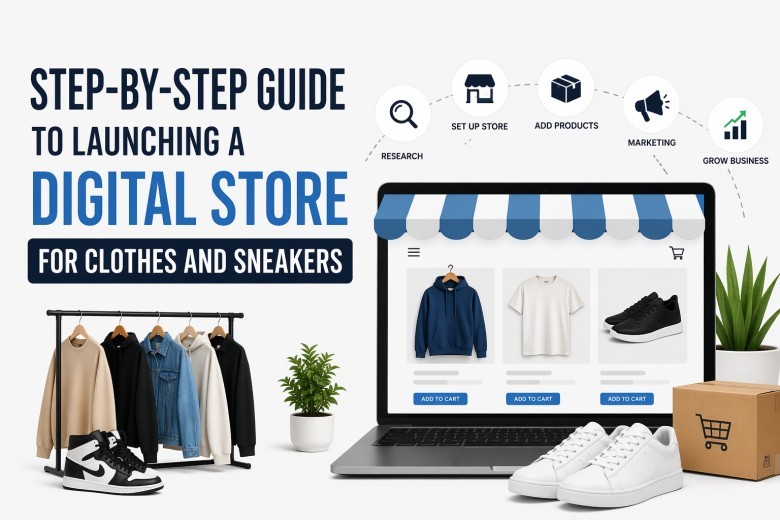
Starting an online store for clothes and sneakers can turn a creative idea into a steady income stream. With the growth of online shopping, customers now expect convenience, variety, and fast delivery. A well-planned digital store helps you meet those expectations while building a brand that stands out in a crowded market.
This guide walks through each step, from idea validation to launching and growing your store, so you can move forward with clarity and confidence.
Define Your Niche and Business Model
Before setting up your store, you need a clear focus. Selling everything to everyone rarely works. Instead, choose a niche that reflects your interest and meets a specific demand.
A clothing and shoes ecommerce business can target segments such as streetwear, luxury fashion, fitness apparel, or budget-friendly daily wear. The more specific your niche, the easier it becomes to build a loyal customer base.
Think about your business model as well. Will you stock inventory, use dropshipping, or work with manufacturers? Each option affects pricing, logistics, and profit margins. Choosing the right model early prevents costly changes later.
Conduct Market Research
Understanding your audience and competitors helps you make smarter decisions. Look at what similar stores offer, how they price products, and how they promote their brand.
Study customer behavior too. What styles are trending? What price range works best? What problems do buyers face when shopping online? Use these insights to shape your product selection and marketing strategy.
Build Your Brand Identity
Your brand is more than just a logo. It represents how customers perceive your store.
Choose a name that is easy to remember and relevant to your niche. Design a clean logo and select colors that match your style. Your tone of communication should stay consistent across your website, social media, and emails.
A strong brand identity builds trust and makes your store recognizable in a competitive market.
Choose the Right eCommerce Platform
Your platform acts as the foundation of your store. It should be easy to use, scalable, and secure.
Popular platforms offer tools for product listing, payment processing, and order management. Focus on features like mobile responsiveness, customization options, and integration with marketing tools.
Make sure your website loads quickly and provides a smooth browsing experience. A slow or confusing site can drive potential customers away.
Source Products and Manage Inventory
Product quality directly impacts your reputation. Whether you work with suppliers or manufacturers, choose partners who deliver consistent quality.
Key Product Sourcing Considerations
- Reliable suppliers with proven track records
- Competitive pricing to maintain profit margins
- Consistent product quality and availability
If you plan to hold inventory, organize it efficiently to avoid stock issues. If you choose dropshipping, ensure your supplier can handle timely deliveries.
Set Up Payment and Shipping Systems
Customers expect flexible payment options and transparent shipping policies. Offer multiple payment methods such as cards, wallets, and online banking.
Essential Shipping Elements
- Clear delivery timelines to manage expectations
- Transparent pricing with no hidden costs
- Easy return and exchange policies
A smooth checkout process increases conversions and reduces cart abandonment.
Create High-Quality Product Listings
Your product pages should convince customers to buy. Use clear images from multiple angles and write detailed descriptions.
Highlight key features such as material, size, fit, and care instructions. Add size charts to reduce returns. Well-written product descriptions also improve search visibility and help customers make informed decisions.
Plan Your Marketing Strategy
Without marketing, even the best store struggles to attract customers. Focus on channels where your audience spends time.
Social media platforms work well for fashion businesses because they allow visual storytelling. Email marketing helps retain customers, while search engine optimization improves long-term visibility.
Collaborate with influencers or run paid ads to increase reach. Track performance and adjust your strategy based on results.
Focus on Customer Experience
Customer experience can set your store apart. Fast responses, easy navigation, and reliable delivery build trust.
Make your website simple to use. Provide clear categories, filters, and search options. Respond to customer queries quickly and professionally.
Encourage reviews and feedback. Positive reviews act as social proof and help attract new buyers.
Monitor Performance and Scale
Once your store is live, track key metrics such as traffic, conversion rates, and average order value. These numbers show what works and what needs improvement.
Test different pricing strategies, product placements, and marketing campaigns. Small changes can lead to significant growth over time.
As your business grows, expand your product range or enter new markets. Scaling should be based on data, not guesswork.
Final Thoughts
Launching a digital store for clothes and sneakers requires planning, effort, and consistency. From choosing a niche to managing customer experience, each step plays a role in your success.
Stay focused on quality, build a strong brand, and adapt to market trends. With the right approach, your online store can grow into a reliable and profitable business.













Facebook Conversations
Disqus Conversations